
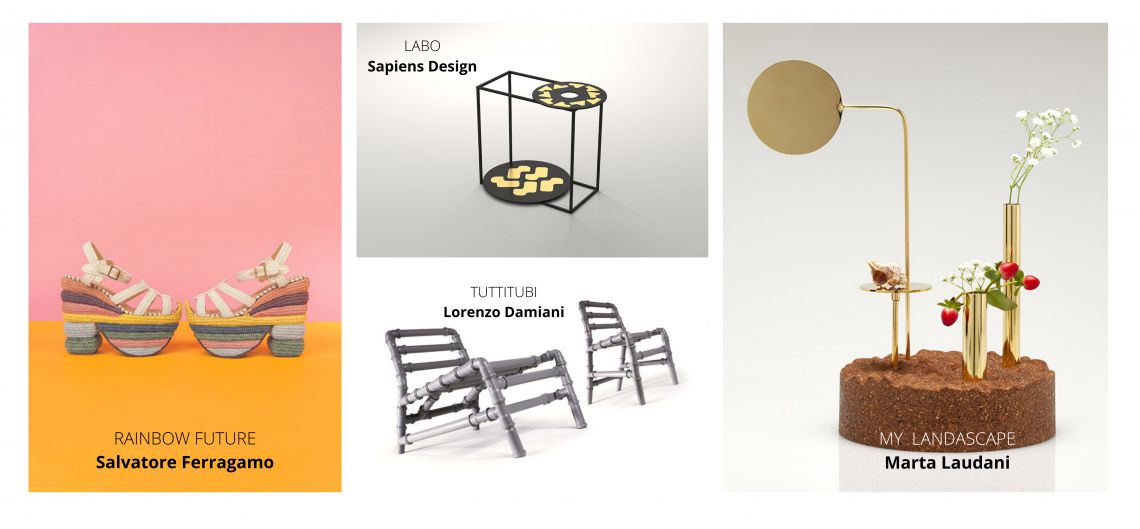
Italian design is often associated with runway fashion and luxury sports cars. Yet some of its most enduring influence sits quietly in the objects reached for every day. A stovetop espresso maker, a sculptural glass vase, a stackable dining chair, or a well-made citrus squeezer can all reflect Italy’s signature approach to combining practicality and visual appeal.
After the war, Italian architects and industrial designers turned Italian design toward ordinary household items, not grand buildings. They worked with cast aluminum, moulded plastic, steel, and glass. They reimagined everyday tools as pieces worth displaying. Thus, they showed that good design belongs in kitchens and living rooms, not just galleries.
What distinguishes much of Italian product design is its relationship with daily life. Objects are not created merely to be admired from a distance; they are meant to be picked up, used and lived with. A well-designed espresso cup considers heat retention, handle balance and lip thickness as carefully as its silhouette. An extendable dining table or modular bookshelf shifts effortlessly from quiet weekday routines to crowded weekend gatherings. It anchors the room around it.
The balance of utility and personality keeps Italian design evolving. Rather than chase fleeting minimalism, contemporary designers pair heritage know-how with modern materials, warmth, and a touch of playfulness. These choices create pieces rooted in history yet distinctly current. They also turn routine moments, like brewing morning coffee or switching on a bedside light, into small visual pleasures.
Looking beyond fashion offers a fuller picture of Italy’s creative identity. These objects earn a permanent spot at home: a carafe sits on the nightstand, while a chair gets pulled up to the table. A lamp creates a welcoming space. Italian design often lasts longest when it quietly becomes part of everyday life.