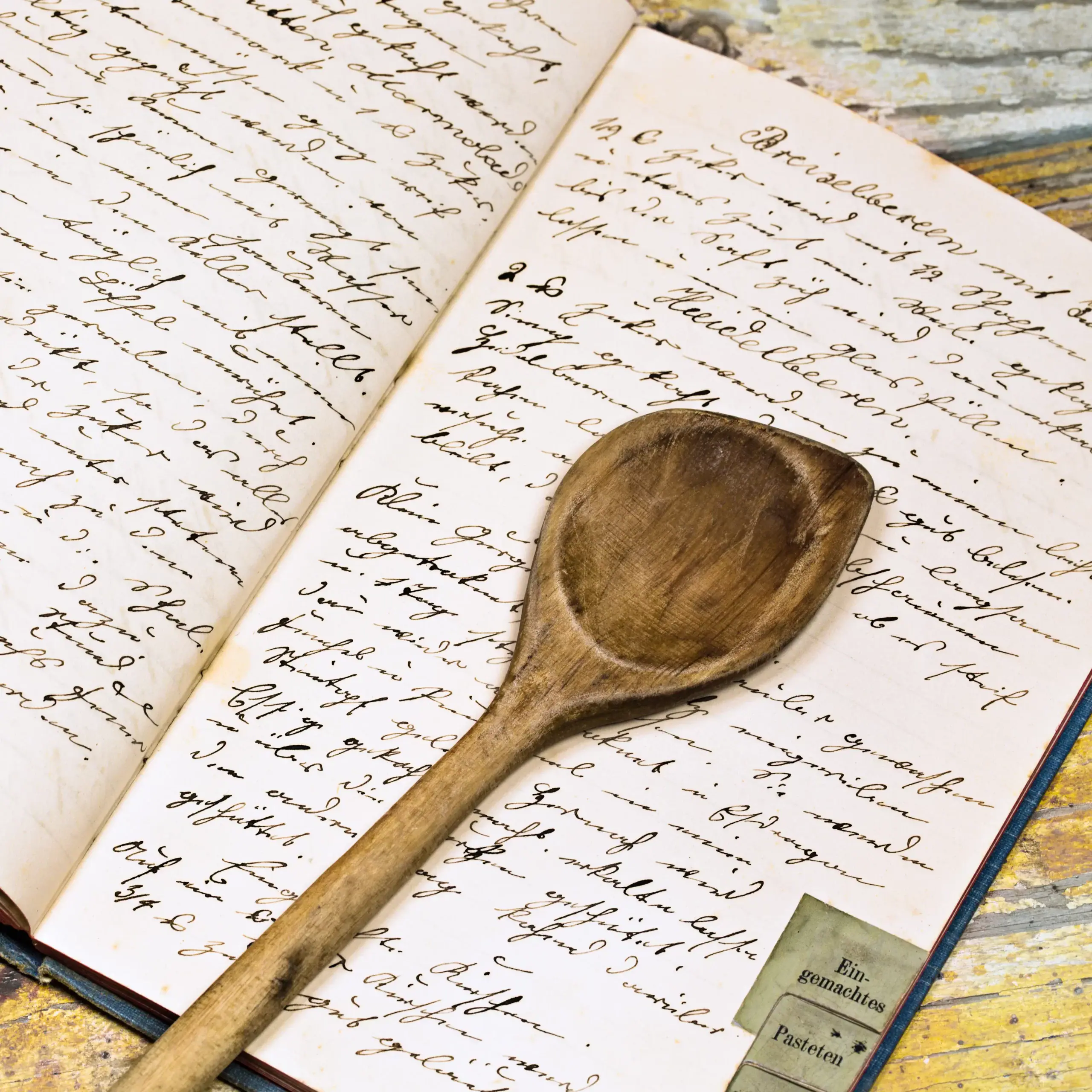
For many families, a handwritten recipe is more than a list of ingredients. It is a record of a person, a kitchen, and a particular way of doing things. Italian cooking has always drawn on knowledge passed down through observation; cooks remember measurements rather than writing them down, and adjust dishes according to what is available.
Today, a new generation of home cooks is finding ways to carry those traditions forward while making them their own. Family recipes are being photographed, translated, organized into digital archives and shared through social media. Some cooks are returning to handmade pasta and slow-simmered sauces; others are adapting familiar dishes to suit different schedules, pantry staples and dietary preferences.
The process is not always about reproducing a recipe exactly. A sauce that once simmered all afternoon might be adapted for a weeknight meal. A regional ingredient that is difficult to find outside of Italy may be replaced with something local. A family dish may become vegetarian, or a traditional dessert may be reworked with a lighter touch.
What matters is the connection between generations. Cooking alongside a parent or grandparent offers an opportunity to learn details that rarely appear in a recipe: how dough should feel beneath the hands, when a sauce has reduced enough, or how to season a dish by taste rather than measurement.
For families with Italian roots, these adaptations can carry another layer of meaning. Recipes often traveled with immigrants, changed according to the ingredients available in their new home, and became part of a distinctly Italian-Canadian food culture.
Nonna’s Recipe Book to the Modern Kitchen shows that preserving a family recipe does not mean keeping it untouched. It can mean understanding where it came from, recording the story behind it, and making room for it at today’s table. The most lasting traditions are often the ones that continue to evolve.