Why one historic appellation may be quietly redefining what drinkers can expect from Tuscan wines
By Gabriel Riel-Salvatore, Food & Wine Editor
Tuscany has built its modern reputation on powerful reds—structured Sangiovese, oak-aged blends, and the rise of the so-called “Super Tuscans” that helped put the region firmly on the global fine-wine map.
Valdarno di Sopra, officially recognised as far back as 1716 by Grand Duke Cosimo III de’ Medici, has long played a role in that story. Today, flagship estates such as Petrolo, Il Borro and Tenuta Sette Ponti continue to produce polished, age-worthy wines that circulate comfortably in collector circles.
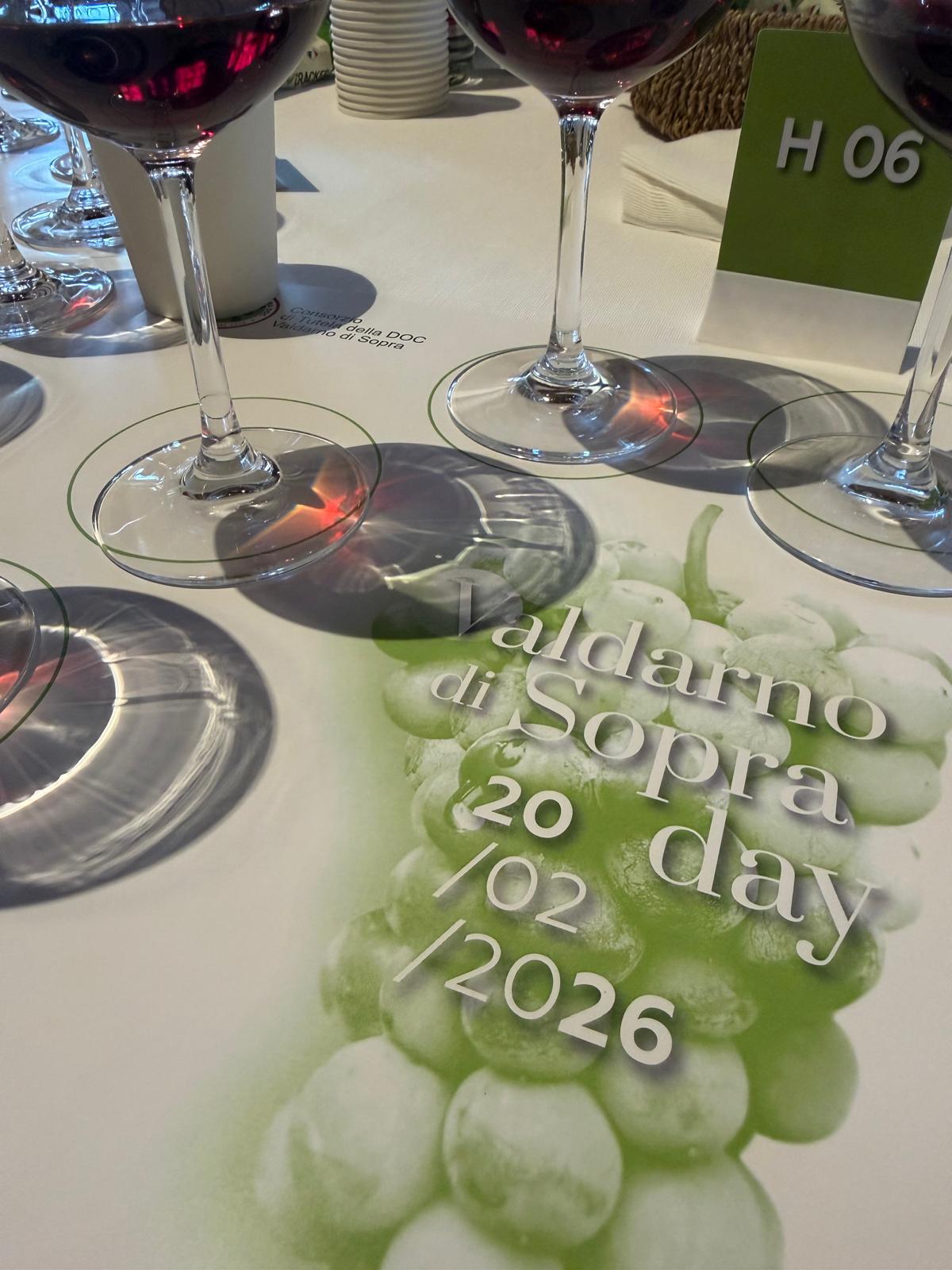
But at Anteprima Toscana 2026* Valdarno di Sopra Day tasting, something felt different.
Across several tastings, the latest releases from this small, fully organic DOC—located between Florence and Arezzo—showed a noticeably fresher, more restrained style. Think crunchy red fruit, brighter acidity, and less reliance on oak. In some cases, the wines leaned stylistically closer to contemporary low-intervention bottlings than to the dense, internationally styled reds that dominated the early 2000s.
The question is: why? Coincidence? A cooler 2024 vintage? Or the early signs of a deeper stylistic recalibration?
A Cooler Year, A Different Expression
Climate change is often associated with riper grapes and richer wines across Mediterranean Europe. Yet the 2024 vintage appears to have moved in the opposite direction, with other recent vintages hinting at a similar shift.
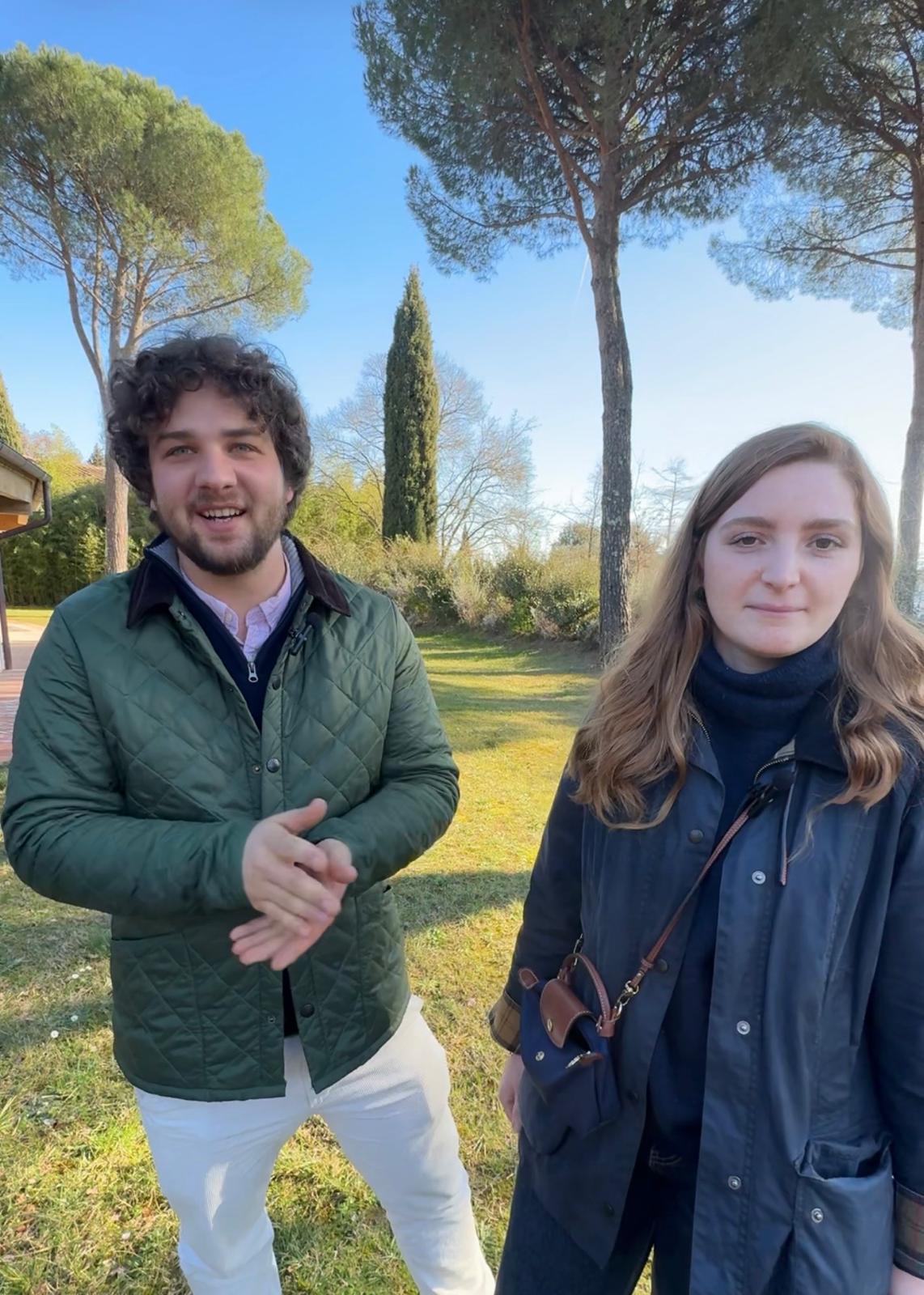
“For example in our case, the 2024 was a difficult vintage… September was very cold,” explained Zeno Cavallari of Cantine le Pietre after the Anteprima tasting. “So what happened is that there was less structure, less powerfulness, but more fruit, more acidity, more freshness.”
Compared to the warmer 2022 vintage—defined across Tuscany by ripe tannins and moderate acidity—the 2024s tasted in Valdarno often came across as more vertical and immediately approachable.
For drinkers, this translates into something quite practical: red wines that don’t necessarily need years of cellaring or a heavy winter meal to shine. These are bottles that can be served slightly cooler and enjoyed earlier.
Cantine le Pietre, founded in 2023 and working with spontaneous fermentation and whole-berry vinification, deliberately avoids aggressive tannin extraction. “The tannic part that maybe needs four years in bottle… is not extracted,” Cavallari noted.
Interestingly, not all producers believe this shift is intentional.
Not Just a Valdarno Story?
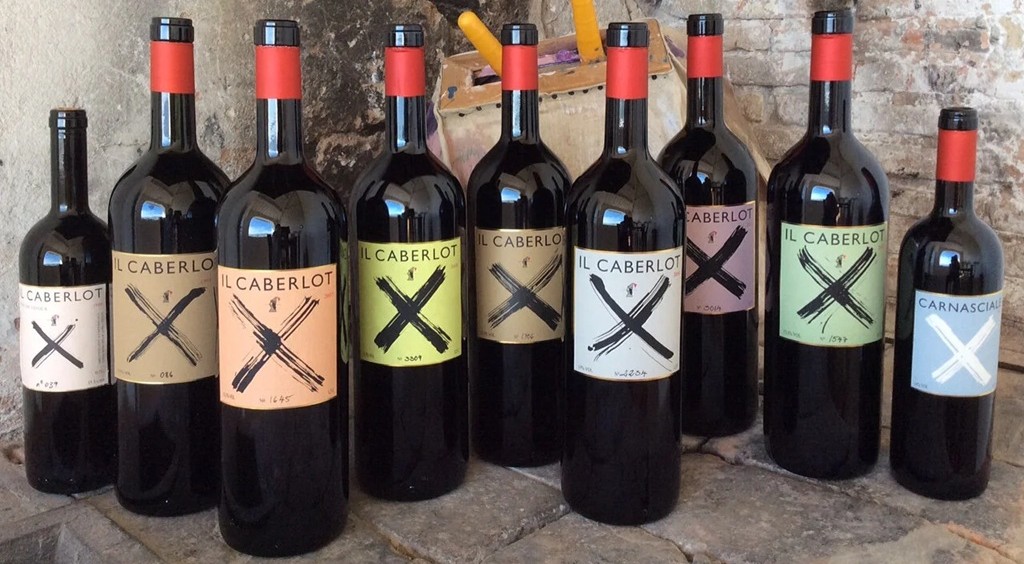
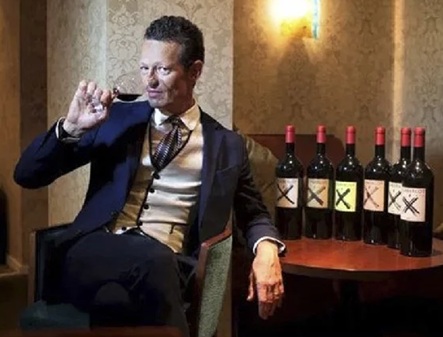
“We have not changed anything in the way we work or make our wine,” said Moritz Rogosky of Podere Il Carnasciale, known for its rare Caberlot-based wines often compared to premium Super Tuscans. “I would not say our wines are adopting a natural style. It’s more an influence of the vintage than anything else.”
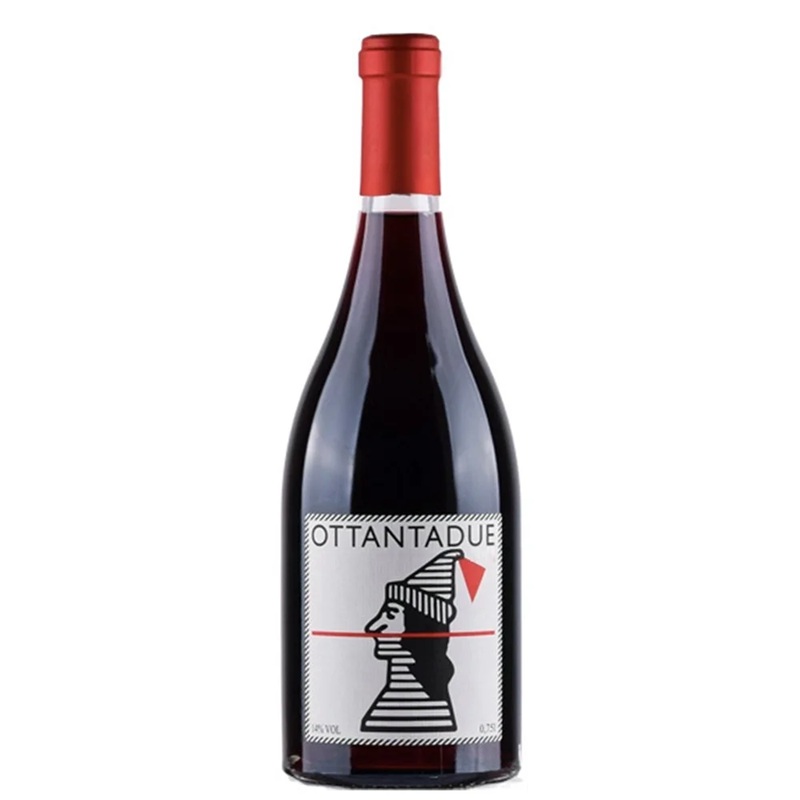
And yet, even here, wines such as Ottantadue 2023—with its lively, Claret-inspired profile—seem designed for a different type of consumer.
“Yes, Ottantadue attracts a different type of consumer… ready to spend the money for it,” Rogosky admitted.
More importantly, this lighter touch was not limited to Valdarno di Sopra.
At both the Chianti Classico Collection and the Vino Nobile di Montepulciano preview held during the same tasting week, a growing number of smaller producers presented wines marked by higher acidity, reduced oak signatures, and a focus on drinkability over sheer concentration.
“It is happening here… but it’s also happening in other areas of Tuscany,” Cavallari observed.
What This Means for Drinkers
If this trend continues, Tuscan reds may become less about power and more about balance.
“Strong, bold red wines are not really enjoyed anymore as they used to be,” Cavallari noted of shifting domestic preferences. “The market locally is asking for rosé… for very fresh whites.”
Even red wines, he added, are increasingly expected to be “fresh, crisp… easygoing wines” that can be consumed young.
For Canadian consumers accustomed to fuller-bodied Tuscan blends, this emerging style may come as a surprise—but also as an opportunity. Wines that prioritise vibrancy over volume tend to pair more easily with contemporary cuisine and adapt well to casual occasions.
Whether the 2024 vintage marks a temporary anomaly or the beginning of a deeper stylistic evolution remains to be seen.
“In the upcoming years, we will see if that’s something that is a clear trend or just an annual anomaly,” Cavallari reflected.
In a compact denomination like Valdarno di Sopra, the answer may arrive sooner than expected—and could offer a preview of Tuscany’s broader future in the glass.
*Anteprima Toscana is Tuscany’s annual February preview week for trade and press, where new vintages are tasted before release. Bringing together key appellations such as Chianti Classico, Vino Nobile di Montepulciano, Chianti, Morellino di Scansano and Val d’Arno di Sopra, it offers an early read on vintage quality and stylistic direction.
General Assessment and Tasting notes from Valdarno di Sopra Day (Anteprima Toscana 2026)
Across the tasting, a quietly pervasive natural-leaning aesthetic emerged as a unifying thread—less as an overt stylistic declaration, more as a shared sensibility shaped by organic viticulture, restrained extraction, and textural freshness.
Red wines broadly gravitated toward savoury profiles marked by crunchy acidity, chalky or slightly edgy tannins, and lifted herbal or floral aromatics. Even in structurally ambitious cuvées, a certain “wild” edge—earthy tones, tangy plum fruit, or gently rustic textures—suggested minimal intervention approaches. Amphora-aged expressions and lightly oxidative nuances reinforced this trend, favouring tension and drinkability over sheer density.
White wines, particularly Trebbiano, showed an even clearer natural imprint. Citrus-driven profiles were frequently layered with sourdough, petrol, or faintly oxidative notes, often supported by malolactic texture and vibrant acidity. These wines leaned toward saline, textural, and gastronomic styles rather than aromatic immediacy.
While a handful of polished, oak-framed wines from leading estates maintained a more classical profile, the overall trajectory pointed to a convergence: precision without polish, where site expression and freshness increasingly take precedence over international styling.
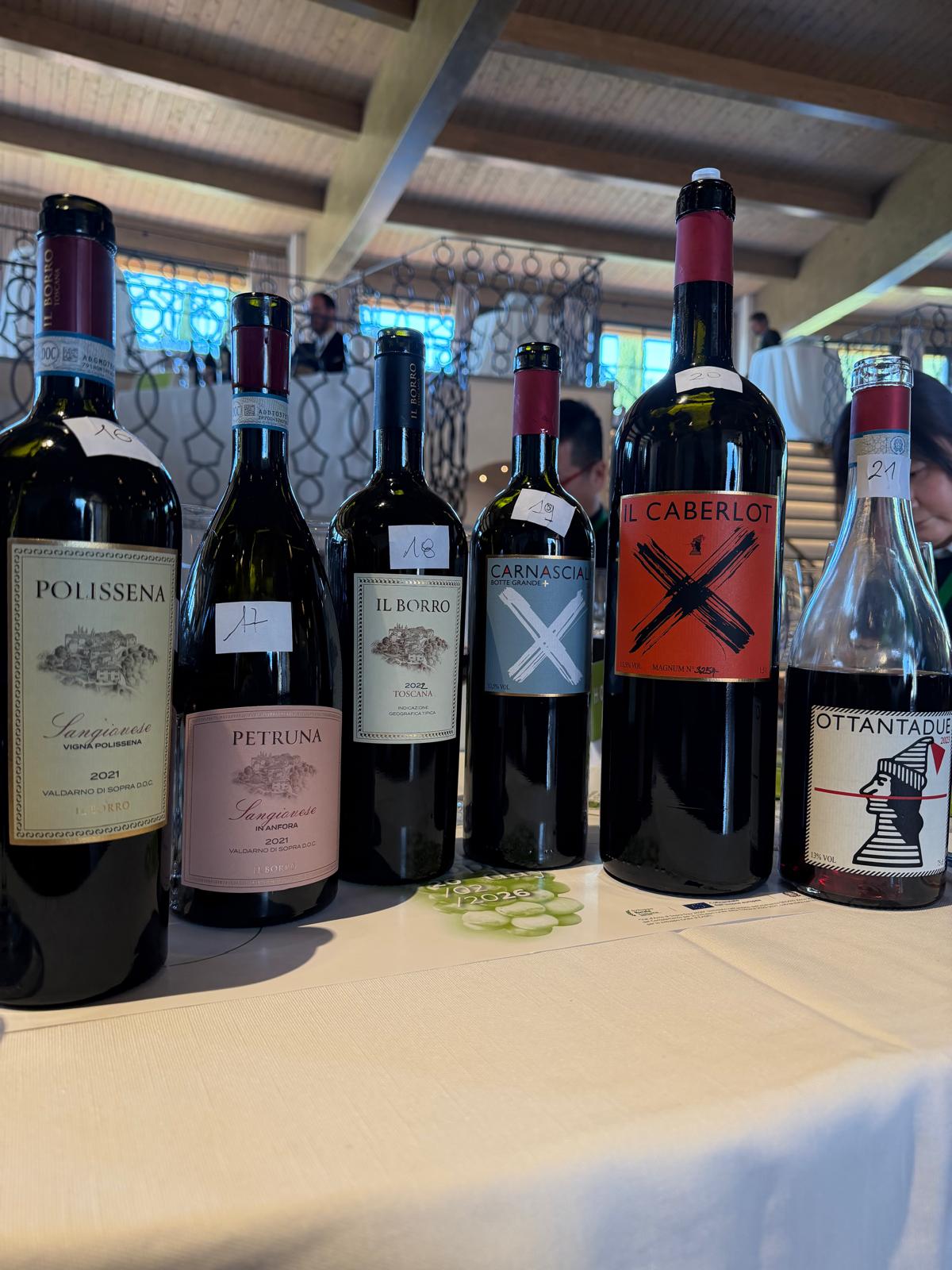
Il Borro
Polissena 2021 — 100% Sangiovese
Gentle red-berry aromatics lead into an elegant, finely balanced palate. Crisp acidity supports a lively mid-weight structure, with subtle peppery lift on the finish.
91
Petruna in Anfora 2021 — 100% Sangiovese
Soft red berry tones with delicate dried-flower nuances. Contained yet harmonious, showing firm tannic grip and a lively, slightly savoury finish. A quietly traditional expression shaped by amphora ageing.
90
Il Borro 2022 — Merlot, Cabernet Sauvignon, Syrah
Bright interplay of red and dark berries layered with silky oak and vanilla spice. Juicy acidity frames crunchy fruit and noble tannins, with hints of tomato leaf on the persistent finish.
92
Podere Il Carnasciale
Carnasciale Botte Grande 2022 — 100% Caberlot
Fresh dark-fruit profile with earthy undertones and a lightly wild edge. Round yet vibrant on the palate, showing supple texture and a juicy, lifted finish.
93
Il Caberlot 2022 — 100% Caberlot
Medium-intensity nose with floral highlights. Juicy and poised, supported by discreet oak and a finely tuned structure.
94
Ottantadue 2023 — Caberlot-based field blend
Claret-inspired in style. Crunchy red-fruit profile with a fresh, easygoing and lively palate.
90
Campo del Monte
Isei 2020 — Sangiovese-based blend
Crunchy red-currant aromatics with cedar-oak framing. Crisp acidity and vibrant freshness carry through to a clean finish.
91
Rodos 2019 — Sangiovese-based blend
Juicy and evolving with good harmony between fruit depth and freshness. Chalky tannins add structure to the lively finish.
92
Cantina Le Pietre
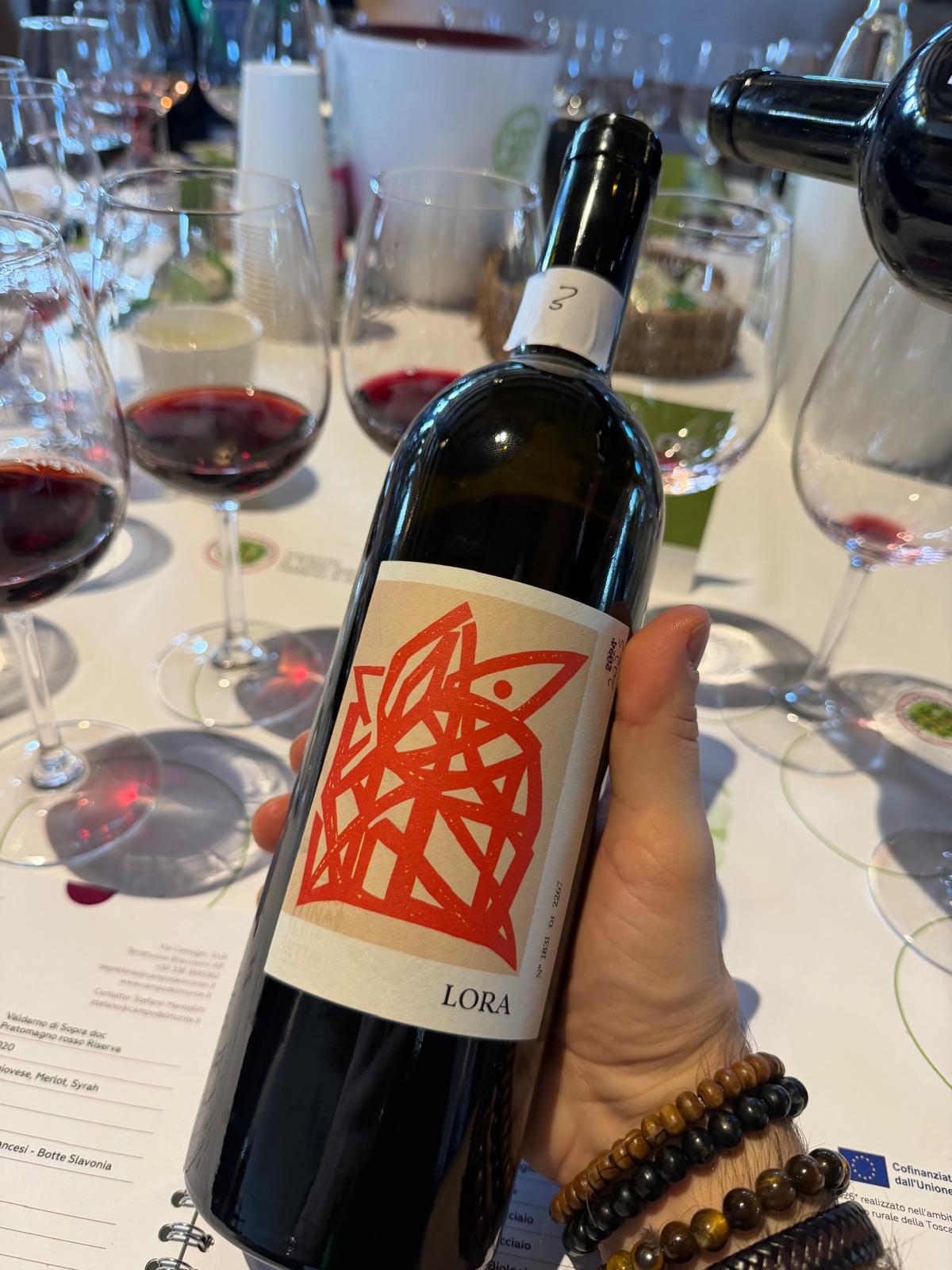
Lora 2025 — Blend not disclosed
Deep purple hue with savoury, leathery nuances. Firm, slightly edgy tannic frame.
Terraia 2024 — Blend not disclosed
Fresh red-fruit profile in a lighter register. Cranberry-like acidity leads to a tart finish.
Magnificat 2024 — Cabernet Sauvignon
Light-framed expression with crisp acidity.
Preludio 2024 — Merlot
More structured with noticeable tannic presence; presently slightly disjointed.
La Salceta
Vigna Ruschieto 2022 — Sangiovese
Wild berry bouquet with cedar hints. Bright fruit and solid structure in a gently rustic style.
90
Montozzi
Castello Montozzi 2020 — Sangiovese
Linear and savoury with moderate structure.
88
Castello Montozzi 2020 — Cabernet Sauvignon
Blackcurrant and leafy herbal tones with light pepper spice. Balanced oak integration and fresh acidity through a medium finish.
90
Tenuta Corneta
Rosso 2023 — Sangiovese, Pinot Noir
Red- and dark-fruit interplay with juicy texture and bright acidity.
89
Tenuta San Jacopo
Vigna del Mulino 2023 — Sangiovese
Red berries and floral hints of geranium. Sweet-and-sour tension with a crisp mid-weight finish.
89
Orma del Diavolo 2021 — Blend not disclosed
Inviting aromatics with a supple medium-bodied palate.
90
Petrolo
Galatrona 2023 — 100% Merlot (cement and oak)
Deep bouquet of ripe black berries and blueberry fruit. Elegant and finely balanced with polished tannins and impressive concentration.
96
Torrione 2022 — Sangiovese, Merlot, Cabernet Sauvignon
Complex and multilayered, combining red and dark fruit with noble oak and vanilla spice. Rich yet harmonious with an extended finish.
95
Bòggina A (Amphora) 2023 — 100% Sangiovese
Fresh, plum-driven profile with a lightly natural expression and juicy finish.
92
Bòggina C Riserva 2023— 100% Sangiovese
Dense dark-fruit aromatics with charred-oak nuance. Leaner than expected on the palate, showing tangy plum freshness.
93
Campo Lusso 2022 — Blend not disclosed
Red-plum and currant tones with chewy tannins balanced by lively acidity.
92
Bòggina B 2022 — 100% Trebbiano
Juicy citrus with subtle petrol and sourdough notes. Malo-driven texture and a fresh, yeasty finish.
90
Vigna delle Sanzioni 2023 — Trebbiano
Mandarin citrus and lightly oxidative sourdough hints in a natural-leaning style.
90
Tenuta Sette Ponti
Vigna dell’Impero 2020 — Sangiovese
Rich and elegant aromatics with silky texture and a long, polished finish.
94
Oreno 2022 — Merlot, Cabernet Sauvignon, Petit Verdot
Lush and muscular with coconut-tinged oak. Juicy yet tightly wound; requires further cellaring.
93